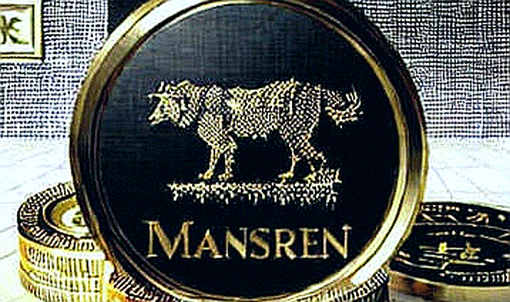
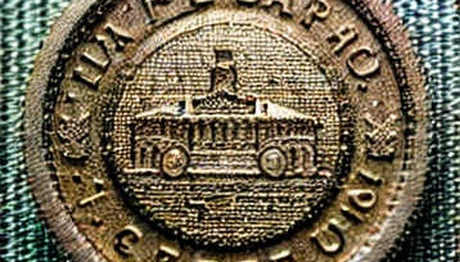
In a world where digital scarcity is the new gold, a Japanese tech giant just minted physical coins. Rakuten, the e-commerce and financial conglomerate with 44 million registered users, has issued a limited run of tactile, blast-finished commemorative coins branded with the Shiba Inu (SHIB) logo. The news spread quickly. The coins are now a hot item. But what does this mean for the crypto ecosystem? The surface narrative is simple: mainstream adoption, brand crossover, a bridge between the physical and digital. Dig deeper, and the real story is far less inspiring.
Let's start with the facts. Rakuten Wallet, the company's licensed crypto exchange, produced these physical coins as a marketing tool. They are not NFTs. They are not redeemable for SHIB tokens. They are not tied to any smart contract. They are simply metal disks with the iconic dog logo etched onto them. The press release emphasized the "premium feel" and the "collector's value." In other words, Rakuten turned a volatile, meme-driven token into a souvenir. This is not innovation; it is merchandising.
I have been in this industry long enough to remember the ICO craze of 2017, when I audited whitepapers for fifteen Ethereum-based protocols. Back then, the promise was trustless infrastructure. Today, the promise is a coin you can hold in your hand. We have regressed from code to trinkets. The context is crucial: SHIB is a meme token with zero intrinsic utility, propped up by community hype and celebrity endorsements. Its primary value proposition is speculative gambling. Rakuten, a publicly traded company subject to Japanese Financial Services Agency (FSA) regulations, is now using this volatile asset as a brand ambassador. The underlying assumption is that SHIB's brand power is strong enough to drive user acquisition for Rakuten Wallet.
But let's examine the core. What does this event actually deliver? First, it adds no technical value to the Shiba Inu ecosystem. No new smart contracts. No scalability improvements. No decentralized finance integrations. Second, it introduces no innovative tokenomics. The SHIB supply remains unchanged—no burn, no staking, no revenue redistribution. Third, it does not enhance the security or decentralization of the network. The only change is that Rakuten spent money on minting physical objects. This is a zero-sum marketing expense, not a strategic investment in blockchain infrastructure.
Now, the contrarian angle that most analysts miss. Many will celebrate this as "mainstream adoption." They will argue that a company like Rakuten putting SHIB on a physical coin validates the token's cultural significance. I argue the opposite. This event exposes a deep fragility. Rakuten is a business. It chose SHIB because the logo is recognizable and the community is loud. But it did not choose SHIB for its technology or its community governance. It chose it for its meme value. This is not endorsement; it is exploitation. Rakuten is using SHIB's brand to acquire users for its own platform, while giving nothing back to the Shiba Inu protocol. The only real beneficiaries are Rakuten Wallet's bottom line and the short-term traders who can pump the price on the news. Noise is cheap. Signal is rare.
Furthermore, consider the regulatory context. Japan has one of the most mature crypto regulatory frameworks in the world. The FSA requires exchanges like Rakuten Wallet to implement strict KYC/AML procedures. By distributing physical SHIB coins, Rakuten is essentially using a high-risk, unregulated meme token to lure users into a regulated platform. This is clever marketing, but it also creates a dangerous precedent: it normalizes the association of meme tokens with legitimate financial services. Investors may conflate the trustworthiness of Rakuten with the inherent risk of SHIB. This is a classic halo effect. Trust no one. Verify everything.
Let me share a personal story. In the summer of 2021, I organized "Soulbound Berlin," a gathering of artists and technologists to explore NFTs as tools for community building rather than speculation. I curated twelve non-transferable tokens for members, intended to encode identity without financialization. The project failed spectacularly. Ninety percent of participants sold their tokens for profit within hours. That experience taught me a hard lesson: when profit is the primary incentive, even the most idealistic projects become vehicles for greed. Rakuten's physical SHIB coins are no different. They will be bought, traded, and hoarded by speculators, not by loyal community members. The physical form will not create loyalty; it will create a secondary market for collectibles.
Now, the takeaway. This article is not about celebrating or condemning Rakuten's move. It is about asking the right questions. Are we building a decentralized future, or are we just packaging it into shiny objects? The bear market has exposed many projects with no substance. Rakuten's physical coins are a symptom of a deeper malaise: the commodification of crypto as a marketing tool rather than a transformative technology. Summer fades. Builders remain. Gold is heavy. Code is light. Do not mistake a trinket for a revolution.
The forward-looking question is this: When the next bull market arrives, will we remember the physical coins that Rakuten minted, or will we remember the protocols that actually scaled? The answer will determine whether crypto remains a casino or becomes a cathedral.